




Thinking about a place in the desert where you can escape winter, enjoy sunny weekends, and possibly offset costs with rentals? In Riverside County’s resort corridor, that idea can be very appealing, but it is not as simple as picking a home you like and closing. Each city has its own feel, rules, and ownership realities. If you are considering a second home here, this guide will help you understand the market, compare submarkets, and focus your search on the right fit for how you actually plan to use the property. Let’s dive in.
Why the resort corridor stands out
Greater Palm Springs is the official tourism market for the Coachella Valley, and it spans nine cities: Palm Springs, Desert Hot Springs, Cathedral City, Rancho Mirage, Palm Desert, Indian Wells, La Quinta, Indio, and Coachella. That matters because a second-home search here is really a search across several distinct submarkets, not one single destination. According to Visit Greater Palm Springs, the region also benefits from Palm Springs International Airport, which is close to downtown and served by 10 major airlines connecting to more than 500 cities.
Climate is a major reason buyers look here in the first place. Visit Greater Palm Springs reports more than 300 days of sunshine each year, with winter temperatures averaging 40 to 75 degrees and spring averaging 51 to 94 degrees. For many second-home buyers, that makes the area especially attractive as a winter retreat and spring getaway.
How each city feels different
Palm Springs and design appeal
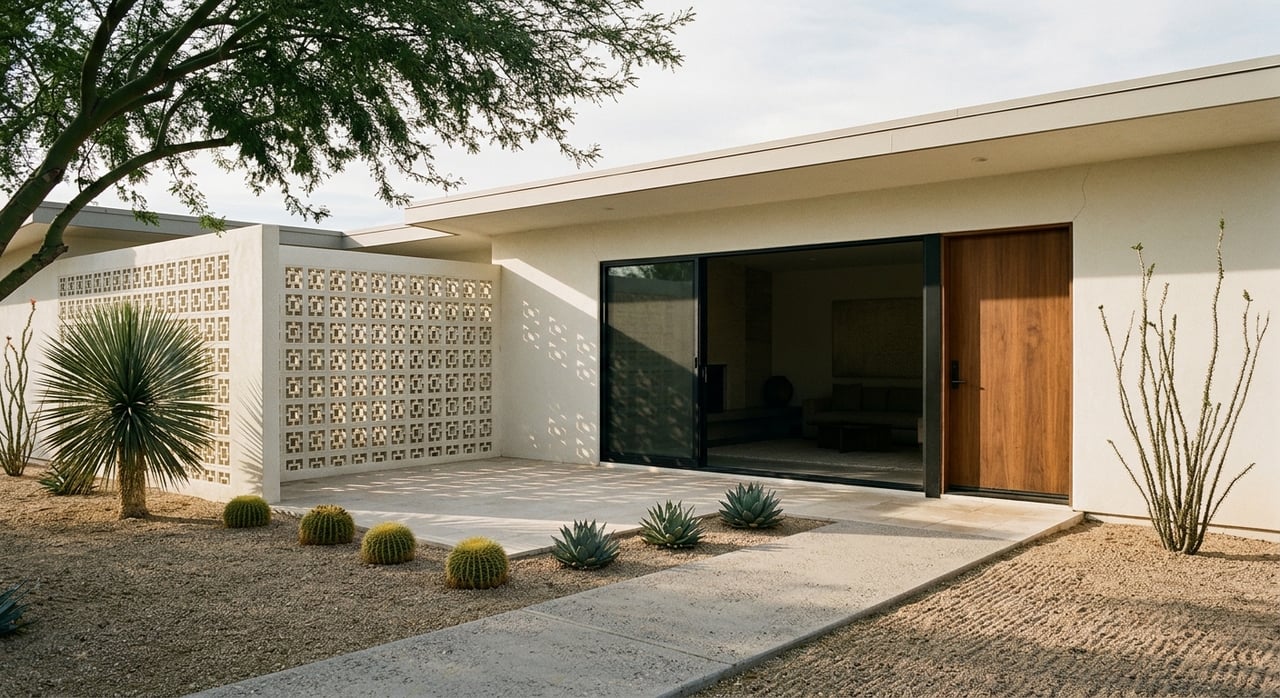
Palm Springs tends to attract buyers who care about architecture and history as much as location. The city’s historic-resources program covers historic resources through 1969 and focuses on preserving places tied to the city’s cultural and architectural past. If you are drawn to pre-war Spanish Colonial Revival homes or mid-century modern design, Palm Springs often stands apart from the rest of the corridor.
That design focus can shape your ownership experience. A home may offer strong style and long-term appeal, but you may also need to look more closely at preservation considerations before planning major changes. For buyers who want a property with architectural character, that extra diligence is worth building into your search from the start.
Resort and golf-oriented cities
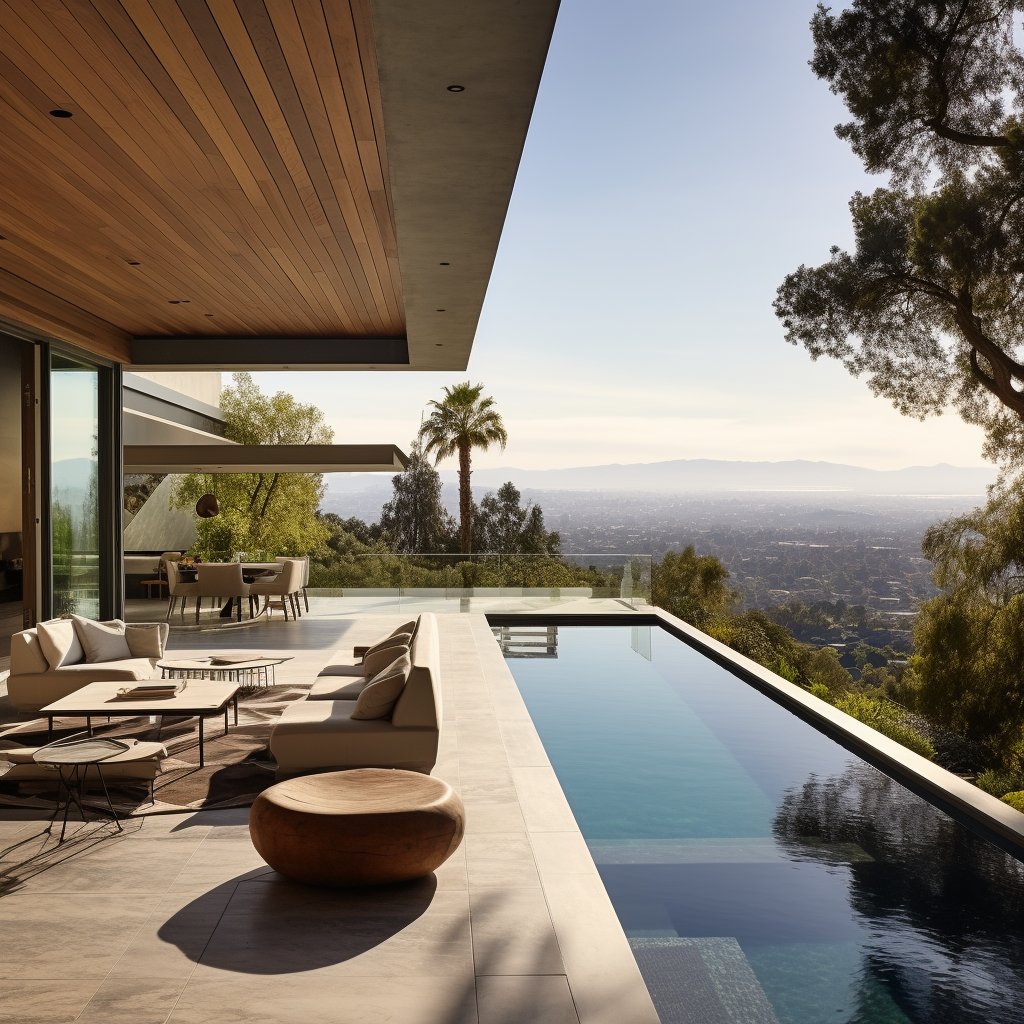
Outside Palm Springs, many cities lean more heavily into resort living, golf, spas, and larger estate properties. Visit Greater Palm Springs describes Rancho Mirage for its golf courses, resorts, landscaped estates, shopping, and dining, while Indian Wells is known for resorts, championship golf, spas, and the Indian Wells Tennis Garden. Palm Desert is framed as a resort destination and hub for shopping, recreation, dining, and culture, and La Quinta is strongly associated with golf and destination appeal.
Desert Hot Springs offers a different angle, with mineral springs and spa-oriented lodging. Indio is widely recognized as the valley’s festival city. In practical terms, your options across the corridor can include resort condos, golf-course homes, spa retreats, mid-century bungalows, and higher-end estate properties, so the right city often depends on your preferred lifestyle and maintenance tolerance.
What second-home buyers should prioritize
Match the property to your use case
One of the biggest mistakes buyers make is assuming every second home works equally well for personal use, seasonal stays, and rentals. In this market, that is rarely true. A property that feels perfect for winter weekends may be less practical if you hope to rent it out, and a home with strong rental potential may come with rules or upkeep that do not fit your goals.
Start by deciding how you plan to use the property most of the time. Ask yourself whether this will mainly be a private retreat, a part-time vacation home, or a home you may rent during certain seasons. That clarity will help you narrow the right city, neighborhood, property type, and ownership structure.
Understand seasonal demand
The area’s seasonal rhythm plays a big role in second-home value. Winter and spring tend to be the strongest periods because the weather is mild and outdoor use is more comfortable. Spring also brings major demand drivers, including the BNP Paribas Open, which runs March 1 to 15, 2026, is described as the largest ATP/WTA combined two-week event in the world, and draws more than 475,000 fans annually.
Visit Greater Palm Springs also groups the BNP Paribas Open, Coachella, and Stagecoach into the desert’s iconic spring event season. That makes spring especially important for buyers thinking about occupancy, guest use, or rental timing. By contrast, summer has average temperatures of 70 to 108 degrees, so demand can be more climate-sensitive and the property itself needs to be equipped for hot-weather ownership.
Rental rules can shape value
Short-term rental laws vary by city
If rental income is part of your plan, city rules deserve close attention before you make an offer. The research is clear that short-term rental potential varies widely by city, zone, HOA, and permit status. In this market, legal use is part of the property’s value.
Palm Springs requires registration, annual safety inspections, at least $500,000 in owner-held insurance, a local contact who can respond within 30 minutes, monthly TOT reporting, and a 1% TBID assessment. It also caps the number of vacation-rental contracts per year, according to the city’s vacation rental regulations.
Palm Desert requires an active short-term rental permit and monthly 11% TOT plus a 1% TBID assessment for stays of 27 nights or less. Cathedral City requires a permit before renting or advertising, annual renewal, and monthly TOT filing, and its current ordinance allows STVRs only in the Resort Residential zone except for homeshare, according to Cathedral City’s short-term vacation rental information. La Quinta uses an online STVR system and treats second homes or investment properties as a separate General permit category.
HOA rules matter too
Even if city rules allow short-term rentals, that does not automatically mean the property can be used that way. HOA restrictions can be just as important. Palm Springs specifically requires an HOA letter if the property is in an HOA and vacation-rental use does not violate the CC&Rs, which shows how closely those rules can affect your plans.
Before you move forward, confirm the city requirements, zoning, permit path, and HOA documents together. In a market like this, a beautiful home and a legally workable home are not always the same thing. Doing that homework early can save you time, money, and frustration.
Due diligence for desert ownership
Budget for taxes after closing
California property tax is based on assessed value, with the general rate limited to 1% plus local voter-approved debt. A change in ownership can also trigger supplemental assessment and a supplemental tax bill, according to the California State Board of Equalization. If you are buying a second home, it is smart to account for those post-closing tax adjustments in your budget.
Check historic status before renovations
If you are targeting an architecturally significant home in Palm Springs, historic status should be part of your review before you plan updates. The city’s historic resources program and Mills Act program can affect how a property is maintained and improved. The Mills Act may offer tax savings for qualified historic properties, but renovation plans should still be evaluated carefully.
Plan for upkeep and local oversight
Desert homes often need more active care than buyers expect. Palm Springs code compliance specifically highlights recurring issues such as landscape maintenance, pools, and water conservation, as noted by the city’s code compliance department. If you will only be in town part time, these are not minor details.
You should also think through local oversight while you are away. Palm Desert offers a Vacation Home Check Program for homes vacant for at least two weeks, and Palm Springs makes clear that owners remain responsible for compliance even when an agent or manager is involved. That makes a dependable plan for monitoring the property especially important.
A smart way to narrow your search
When you look at Riverside County’s resort corridor through a second-home lens, the best property is usually not the one with the most amenities on paper. It is the one that best matches your intended use, your comfort with upkeep, and the rules that apply in that specific location. That is why city-by-city guidance matters here.
A focused search often starts with a few practical questions:
- Do you want architectural character, resort convenience, golf access, or spa-oriented living?
- Will you mostly use the home in winter and spring?
- Do you want the option to pursue short-term rentals?
- Are you comfortable with pool, landscape, and seasonal maintenance?
- Does the neighborhood or HOA support the way you plan to use the property?
The clearer your answers, the easier it becomes to identify the right fit and avoid costly surprises. If you are exploring a second home in Riverside County’s resort corridor, working with a team that understands both the lifestyle side and the regulatory side can help you buy with more confidence. When you are ready to take the next step, connect with FirstTeam® Real Estate for trusted guidance tailored to your goals.
FAQs
What makes Riverside County’s resort corridor appealing for a second home?
- The area offers more than 300 days of sunshine, strong winter and spring appeal, access through Palm Springs International Airport, and a range of lifestyle options across nine distinct cities.
What types of second homes are common in Greater Palm Springs?
- Buyers will find a mix of mid-century bungalows, resort condominiums, golf-course homes, spa-oriented retreats, and estate properties, depending on the city and neighborhood.
What should buyers know about short-term rentals in Palm Springs area cities?
- Short-term rental rules vary by city, zone, HOA, and permit status, so you should confirm local regulations and property eligibility before writing an offer.
What ownership costs should second-home buyers budget for in Riverside County?
- In addition to the purchase price, you should plan for property taxes, possible supplemental tax bills after closing, insurance, utilities, and desert-specific upkeep such as pools, landscaping, and water-conscious maintenance.
What should buyers check before renovating a historic Palm Springs home?
- You should verify whether the home has historic status and review any related preservation requirements or Mills Act considerations before finalizing renovation plans.