



If you are feeling squeezed by your current home, Corona may already be on your radar. For many Southern California buyers, the question is not just whether you can get more space, but whether that extra space comes with the right lifestyle, commute, and long-term fit. This guide will help you weigh Corona’s biggest strengths and tradeoffs so you can decide if it is the right move-up market for you. Let’s dive in.
Why Corona draws move-up buyers
Corona offers a mix that is easy to understand on paper and more nuanced in real life. It is a suburban city in western Riverside County with access to the 91 and 15 freeways, a large local economy, expanding retail and commercial areas, and connections to the broader Southern California job market.
The city spans nearly 40 square miles and had an estimated population of 161,734 in July 2025. Census QuickFacts also shows a 63.8% owner-occupied housing rate and 91.7% of residents living in the same house one year earlier, which points to a relatively stable, owner-heavy market.
For move-up buyers, that matters. A market with a strong ownership base often feels different from a high-turnover area because you may see more long-term households, more established routines, and a more consistent neighborhood rhythm.
What “move-up” means in Corona
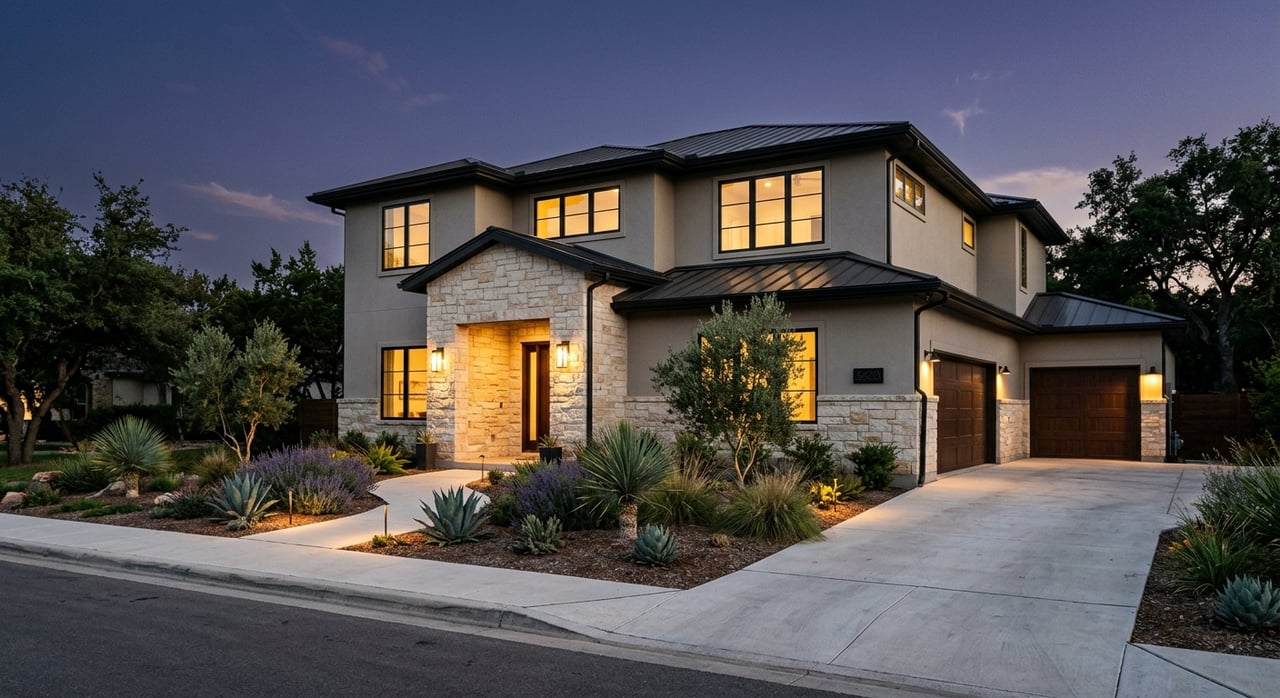
In Corona, moving up is usually about more than square footage alone. It often means looking for a newer home, a more modern layout, more outdoor space, or a neighborhood with amenities that better match your current stage of life.
Corona can appeal to buyers who want more room without stepping away from Southern California entirely. It can also appeal to households that are open to a different commute pattern in exchange for a more suburban setting.
Corona neighborhoods vary a lot
One of the most important things to know is that Corona is not a one-style market. The city uses a General Plan and many specific plans, and those specific plans can supersede underlying zoning, which means neighborhood character can differ significantly from one area to another.
The city’s specific-plan areas include older parts of the city such as Township in Corona and North Main Street, along with later-growth and master-planned areas such as Sierra Del Oro, Corona Ranch, Eagle Glen, Dos Lagos, Green River Ranch, Crown Ranch Estates, Sierra Bella, and Arantine Hills.
Older core vs newer planned areas
Older central Corona tends to align more with the city’s historic core. Downtown revitalization materials reference the historic circle and Grand Boulevard, and City Park is identified by the city as the oldest and most centrally located park, established in 1913.
South and east Corona include more recent planned communities. In practical terms, newer master-planned areas are more likely to offer the kinds of features many move-up buyers want, such as newer construction, more contemporary floor plans, neighborhood amenities, and a more consistent design feel.
That is not a rule for every street or tract, but it is a useful starting point. Older areas may offer a more central location and established streets, while newer areas may line up better with buyers prioritizing newer housing stock and planned-community features.
Why planning matters for resale
Corona’s Housing Element is intended to help meet future housing needs and increase the supply and mix of housing types. That suggests some parts of the city may continue changing over time.
If resale matters to you, look beyond the home itself. Consider whether the area feels largely built out and stable, still developing, or more likely to see future infill and redevelopment pressure.
Daily life in Corona
A move-up decision is rarely just about the house. It is also about how your everyday routine will feel once you live there.
Corona positions itself as a city with substantial day-to-day amenities. The city says it has more than 394 acres of parks, along with a public library, Circle City Center, a senior center, and a recreational airport.
The Parks & Recreation Master Plan and Trails Master Plan, both adopted in February 2024, provide a framework for expanding and maintaining parks, trails, and recreation facilities. The trails vision is designed to connect local destinations, regional trail networks, and the Cleveland National Forest.
Shopping and errands
Corona highlights two major retail and entertainment clusters: The Crossings at Corona and The Shops at Dos Lagos. Both are located just off I-15 and are described by the city as hubs for shopping, dining, entertainment, and broader lifestyle uses.
For many move-up buyers, that convenience matters. If you want errands, restaurants, and weekend options closer to home, these retail centers can be part of Corona’s appeal.
Outdoor access and recreation
If you enjoy an active suburban lifestyle, Corona has a lot to offer. City resources reference urban and natural trail networks, including the Santa Ana River Trail, Skyline trails, and trail connections around Green River Ranch.
That said, Corona is not a dense urban, walkability-first market. If your ideal lifestyle depends on a more compact city pattern, that is an important distinction to keep in mind.
Schools are address-specific
Schools often play a major role in a move-up search, but the most helpful approach is to stay factual and verify details by address. The city says Corona is served by two dedicated school districts: Corona-Norco Unified School District and Alvord Unified School District.
The city also notes that Corona-Norco Unified includes 31 elementary schools, 8 intermediate and middle schools, 5 comprehensive high schools, a middle college high school, and 3 alternative schools, serving more than 53,000 students.
Because school assignment can vary by property, you should confirm district and attendance information before making an offer. In a market with diverse neighborhood types, that step is especially important.
Commute and regional access
For many buyers, Corona stands out because it can support a regional lifestyle. You may not be eliminating your commute, but you may be changing it in a way that better fits your housing goals.
Corona sits at a major transportation junction, and recent infrastructure improvements add context to that advantage. The Riverside County Transportation Commission says the 15/91 Express Lanes Connector opened in November 2023, creating a seamless transition between the 15 and 91 toll systems for Corona-area commuters.
RCTC also says the 71/91 Interchange in Corona reopened on June 23, 2025, with a new two-lane direct connector replacing the old single-lane loop and adding an auxiliary lane on eastbound 91. These projects matter because they affect access to Orange County, Riverside County, and San Bernardino County job centers.
Rail and local transit options
Corona also has rail and local transit options. Metrolink lists both Corona-West and Corona-North Main stations in the city.
Corona-West serves the 91/Perris Valley and Inland Empire-Orange County lines. Corona-North Main serves those same lines and also connects with Corona Cruiser, Dial-A-Ride, and Riverside Transit Agency service.
The city’s Public Transit page also notes fixed-route service, park-and-ride options, bicycle-route resources, and other local transit tools. For some move-up buyers, that adds flexibility when comparing neighborhoods.
Match the neighborhood to the commute
This is where Corona becomes more strategic than simple. The right fit is often less about the city as a whole and more about which part of Corona supports the commute pattern you actually live with.
Some buyers may prefer rail-adjacent options. Others may want freeway access, while some may prefer a more interior residential setting even if it adds a few extra minutes to daily travel.
Tradeoffs to weigh carefully
Every move-up market has tradeoffs, and Corona is no exception. The goal is not to avoid tradeoffs entirely, but to understand which ones you are comfortable with.
Wildfire interface and insurance planning
Corona sits near the Cleveland National Forest and the Prado Dam reserve area. The city’s FireSafe materials state that Corona faces significant wildfire risk in the wildland-urban interface, and that up to 15,000 homes are in a mapped high-fire-risk zone.
This does not make Corona a poor choice, but it does make location-specific review important. If you are considering hillside or edge-of-city neighborhoods, evaluate fire preparedness, defensible space needs, and insurance implications early in your search.
Freeway convenience vs exposure
Corona’s freeway access is part of its appeal, but it can also create tradeoffs. Homes closer to the 91, 15, or major interchange areas may offer stronger commuting convenience, while also bringing more traffic, corridor activity, and potential noise exposure.
That balance will feel different for every buyer. If you are moving from Orange County, it helps to ask not just whether Corona feels accessible, but which side of the city best matches your real daily pattern.
Specific-plan rules and design consistency
Specific-plan neighborhoods can bring stronger design consistency and a more cohesive feel. They may also come with planning frameworks or development standards that shape what gets built and how the area evolves.
That is not inherently good or bad. It simply means you should understand the neighborhood context as carefully as you evaluate the home itself.
Who Corona fits best
Corona is often a strong move-up option if you want more space, a suburban setting, access to parks and retail, and multiple commute pathways across Southern California. It can be especially relevant if you are comparing Orange County affordability and space tradeoffs with Inland Empire options.
It may be less compelling if your top priorities are coastal proximity, dense walkability, or a lifestyle with minimal freeway reliance. In other words, Corona tends to work best when your housing goals and commute reality are aligned.
A smart way to evaluate Corona
If Corona is on your shortlist, focus on a few practical questions:
- Do you want an older central location or a newer planned neighborhood?
- How important is freeway or rail access to your weekly routine?
- Are parks, trails, and nearby retail part of your ideal daily lifestyle?
- Are you comfortable evaluating wildfire interface and insurance factors in certain locations?
- Does the specific property align with the school assignment you want to verify?
For sellers planning a move-up purchase, preparation matters too. If you need to position your current home before buying your next one, a thoughtful pre-listing strategy can help you protect timing, presentation, and overall flexibility.
Whether you are moving across Corona or coming from another part of Southern California, clarity is the real advantage. When you understand the city’s neighborhood mix, commute structure, and location-specific tradeoffs, you can shop with more confidence and make a move that fits both your present needs and your next chapter.
If you are weighing a move in or around Corona, FirstTeam® Real Estate can help you evaluate the market with a clear, local, service-driven approach.
FAQs
Is Corona, CA a good move-up market for buyers?
- Corona can be a strong move-up market if you want more space, newer planned neighborhoods, suburban amenities, and access to multiple Southern California job corridors.
What parts of Corona, CA tend to feel newer?
- South and east Corona generally include more recent planned communities, while older central Corona is more closely tied to the city’s historic core.
How important is commute planning when buying in Corona, CA?
- Commute planning is very important because Corona’s appeal is closely tied to access to the 91, 15, Metrolink stations, and other regional transportation options.
Are there wildfire risk areas in Corona, CA?
- Yes. The city says Corona has significant wildfire exposure in the wildland-urban interface, and some homes are located in mapped high-fire-risk zones.
What amenities do move-up buyers get in Corona, CA?
- Buyers may benefit from access to more than 394 acres of parks, trail connections, shopping and dining clusters, public transit options, and a broad suburban amenity base.
Should buyers verify school assignments in Corona, CA?
- Yes. School assignment is address-specific, so you should verify district and attendance details for any property before making an offer.