

If you have ever looked at San Bernardino County and thought, How can one county offer mountain cabins, desert land, and suburban neighborhoods? you are not alone. For many buyers, the appeal here is choice: more space, different scenery, and housing options that can feel very different from denser coastal markets. This guide will help you understand how mountain, desert, and suburban living compare across San Bernardino County so you can narrow in on the lifestyle that fits you best. Let’s dive in.
Why San Bernardino County Feels So Different
San Bernardino County works best when you think of it as several housing and lifestyle submarkets rather than one single experience. The county’s own community framework divides areas into Valley, Mountain, East Desert, and North Desert communities, which helps explain why daily life can look so different from one area to the next.
That variety is part of the draw. According to Census QuickFacts for San Bernardino County, the county had an estimated 2,224,091 residents and 755,367 housing units as of July 1, 2025, with a 62.1% owner-occupied housing rate, a median owner-occupied home value of $505,000, and a mean commute of 32.6 minutes. For you as a buyer, those numbers help frame a market where space and setting often come with different trade-offs in commute, services, and home style.
Mountain Living in San Bernardino County
What mountain communities feel like
The county describes its mountain communities as low-density areas built around forest and mountain landscapes, open-space views, dark skies, and recreation-oriented features. Communities identified in the county policy framework include Bear Valley, Crest Forest, Hilltop, Lake Arrowhead, Lytle Creek, Mt Baldy, Oak Glen, and Wrightwood, based on the County Policy Plan.
For you, that often means a setting that feels scenic and quieter, with daily life shaped by terrain, weather, and visitor activity. Mountain living can appeal if you want a more rural feel without giving up access to established residential areas.
What the housing stock looks like
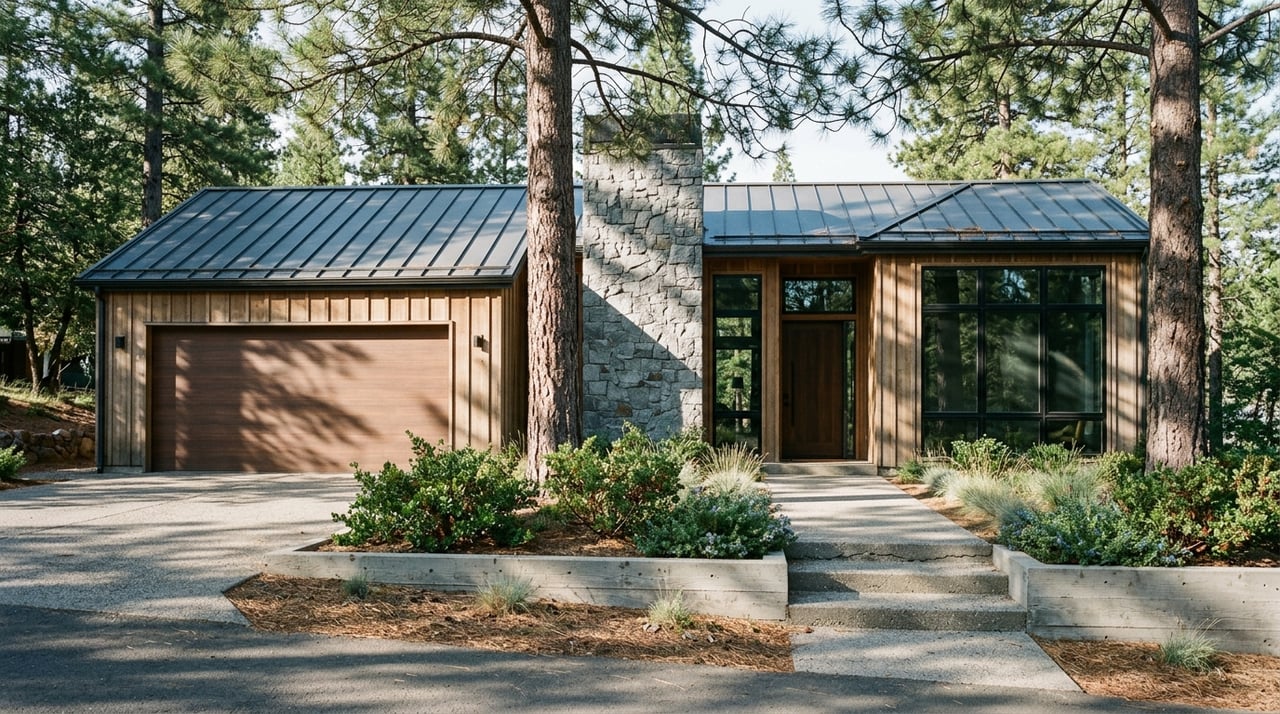
Housing in mountain areas often includes single-family homes on smaller lots, with some multi-family pockets and a pattern of seasonal or second-home use in certain communities. The Wrightwood community profile notes that the area is made up mainly of single- and multiple-family residential uses on small lots, with homes typically one to two stories, and that Wrightwood has evolved from a vacation community into a bedroom community.
That history matters when you compare options. In some mountain neighborhoods, you may see a mix of full-time residences, seasonal homes, and properties influenced by recreation demand. The same county planning materials also note concerns around vacation-home rentals in Bear Valley, which suggests some neighborhoods have a stronger second-home pattern than others.
How recreation shapes daily life
Outdoor access is one of the clearest reasons buyers choose the mountains. The San Bernardino National Forest reports about 300 miles of hiking and backpacking trails, along with four winter-sports resorts that support skiing, snowboarding, snowshoeing, and snow play.
Year-round recreation can be a real lifestyle feature, not just a weekend bonus. County community materials for Bear Valley also highlight hiking, biking, camping, horseback riding, off-road touring, golfing, fishing, and watersports. If you want your location to support outdoor routines, mountain communities may stand out quickly.
Desert Living in San Bernardino County
What desert communities feel like
Desert areas in San Bernardino County are generally shaped by open land, bigger skies, and a more spread-out development pattern. The county describes rural desert communities as places with large lots, limited commercial development, desert landscape, open-space views, and scenic or recreational features, while desert village communities cluster housing closer to commercial services and public facilities, with larger lots farther from the center, according to the County Policy Plan.
Examples include Joshua Tree as a desert village community, and Lucerne Valley, Pioneertown, and Phelan/Pinon Hills among the rural desert communities. For you, this often translates into a more self-directed lifestyle, where land, privacy, and landscape may take priority over convenience.
What the housing pattern looks like
Joshua Tree offers a useful example of how varied desert housing can be. Its community profile states that residential land use dominates and that rural living and single-family residential uses account for 75% of land, while the housing stock includes single-family homes on large lots, mobile homes, and multi-family apartment buildings.
That range gives buyers flexibility, but it also changes how neighborhoods function. The same profile notes that desert road standards can include minimal paving and fewer sidewalks or streetlights, which can make many areas feel more car-oriented and spread out than a suburban neighborhood.
How climate and landscape affect lifestyle
Desert living is closely tied to outdoor access, but it comes with climate realities. Joshua Tree National Park highlights hiking, climbing, backpacking, camping, and boulder landscapes, while also warning that summer temperatures can exceed 100 degrees and shade can be limited.
That makes climate planning part of everyday decision-making. If you are drawn to open space, dramatic scenery, and larger lots, desert communities can offer a strong identity and a distinctive pace. At the same time, you will want to think carefully about drive times, infrastructure, and how you plan to use the property throughout the year.
Valley and Suburban Living
What valley communities offer
If your priorities include service access, commute routes, and a broader range of neighborhood formats, valley communities may feel more familiar. The county describes valley communities as suburban in character, with a mix of lot sizes and land uses near urban services and facilities. Examples listed in the County Policy Plan include Bloomington, Mentone, Muscoy, and San Antonio Heights.
For many buyers, this is the part of the county where convenience plays the biggest role in day-to-day life. You may find it easier to balance home size, service access, and commuting needs here than in more rural mountain or desert settings.
Why commute access matters here
Transportation patterns are a big part of the suburban value proposition. The county transportation plan explains that I-10, I-15, I-215, and SR-210 connect major parts of the county with Los Angeles, the High Desert, civic destinations in San Bernardino, and the densely populated southwestern region.
Transit also plays a role in select areas. Metrolink’s Arrow service connects San Bernardino and Redlands, links to the San Bernardino Line at San Bernardino-Downtown, and includes one weekday round-trip between Redlands-Downtown and L.A. Union Station, according to the same transportation plan. If you are comparing the county with denser coastal living, valley communities often offer the easiest path to a more service-connected routine.
How to Compare the Three Lifestyles
Choosing between mountain, desert, and suburban living usually comes down to what you want your everyday routine to look like. The county’s planning documents make clear that these areas were built around very different landscapes, lot patterns, and service levels.
A simple way to compare them is this:
- Mountain communities often fit buyers who want scenery, recreation access, and a low-density setting with some resort influence.
- Desert communities may appeal if you want larger lots, more open land, and a lifestyle closely tied to landscape and self-reliance.
- Valley and suburban areas tend to work best if you want a broader housing mix, easier service access, and stronger commute connections.
Across the county, the biggest trade-off is often space and scenery versus longer, more car-dependent routines in mountain and desert areas. That pattern aligns with the county’s land use framework, transportation structure, and countywide commute data.
Questions to Ask Before You Buy
Before you choose a specific area, it helps to narrow your search with a few practical questions:
- How important is daily access to shops, services, and major roads?
- Do you want a home that supports seasonal recreation or year-round commuting?
- Are you looking for a smaller-lot neighborhood, a larger parcel, or a more traditional suburban layout?
- How much driving are you comfortable with each week?
- Do climate and elevation fit the way you plan to use the home?
These questions can save you time. They also help you focus on the parts of San Bernardino County that match your routine, not just your wish list.
Finding the Right Fit
San Bernardino County gives you a rare range of choices within one region. You can look at mountain settings shaped by forest recreation, desert areas defined by open land and strong landscape identity, or suburban pockets where service access and commuting convenience play a bigger role.
The right move is not about choosing the “best” part of the county. It is about choosing the part that best fits how you want to live. If you are exploring San Bernardino County and want guidance that aligns your goals with the right local market, connect with FirstTeam® Real Estate to schedule a meeting.
FAQs
What is mountain living like in San Bernardino County?
- Mountain living in San Bernardino County is generally low-density and recreation-focused, with forest and mountain landscapes, open-space views, and housing that often includes single-family homes on smaller lots.
What is desert living like in San Bernardino County?
- Desert living in San Bernardino County often includes larger lots, more spread-out neighborhoods, limited commercial development in some areas, and a lifestyle strongly tied to open land, climate, and outdoor access.
What is suburban living like in San Bernardino County?
- Suburban or valley living in San Bernardino County is generally more service-connected, with a broader mix of lot sizes and housing patterns near urban facilities, major roads, and commute routes.
How long is the average commute in San Bernardino County?
- Census QuickFacts reports a mean commute time of 32.6 minutes for San Bernardino County.
Which parts of San Bernardino County have the most outdoor recreation?
- Both mountain and desert areas offer strong outdoor access, with the San Bernardino National Forest supporting hiking and winter sports, and Joshua Tree National Park known for hiking, climbing, backpacking, and camping.
How should buyers compare mountain, desert, and suburban homes in San Bernardino County?
- Buyers should compare these areas based on lot size, access to services, commute needs, climate, recreation priorities, and whether they want a more rural or suburban daily routine.