

What makes a home desirable has always evolved alongside the way people live. Over the past decade, buyers gravitated toward expansive open floor plans, oversized kitchens, and spaces designed for entertaining. Those features remain attractive, but in 2026, they're no longer the whole story.
Today's buyers are looking beyond square footage and finishes. They're asking a different question: How will this home support the life I want to live?
That shift is influencing buying decisions across every price point, from first homes to luxury estates. Whether it's a flexible floor plan, a private outdoor retreat, integrated smart technology, or a walkable neighborhood, today's most sought-after homes are designed around lifestyle rather than simply appearance.
The trend is reflected throughout the industry. Luxury marketplace JamesEdition reported a 50.8% year-over-year increase in buyer activity during early 2026, noting that today's luxury buyers are placing greater emphasis on long-term livability, wellness, privacy, and personalization rather than purely status-driven amenities. While luxury often leads design trends, many of these priorities are quickly becoming mainstream as buyers across the market rethink what "home" really means.
Whether you're buying, selling, or simply following housing market trends, understanding what homebuyers want in 2026 provides valuable insight into where the market is headed.
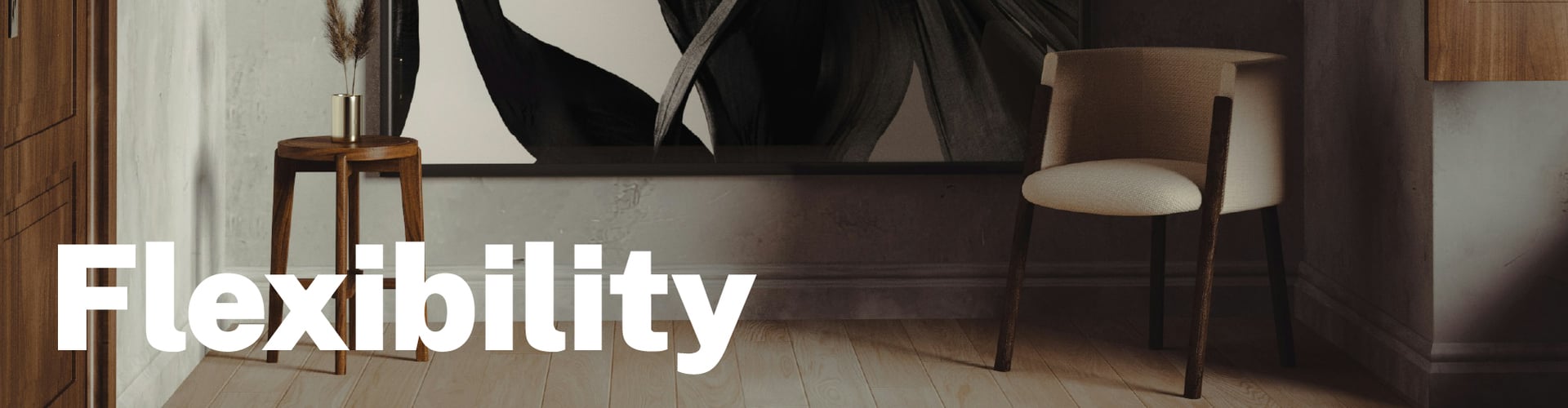
Flexibility Is Replacing Formality
The way we use our homes has changed, and buyers are responding accordingly.
Remote and hybrid work have permanently reshaped daily routines, making adaptability one of the most valuable qualities a home can offer. Instead of formal dining rooms or spaces reserved for occasional use, buyers increasingly prefer rooms that can evolve alongside their lifestyles.
A guest bedroom might double as a home office. A loft could become a fitness studio today and a playroom tomorrow. Bonus rooms, finished basements, and adaptable floor plans offer something many buyers value more than additional square footage: options.
Research from the National Association of Home Builders continues to show that dedicated home offices and flexible-use spaces rank among buyers' most desired features in newly built homes. The appeal isn't simply working from home, it's having a home that can evolve with changing needs.
Flexibility has become one of the defining characteristics of modern home design because today's buyers know that life rarely stays the same.
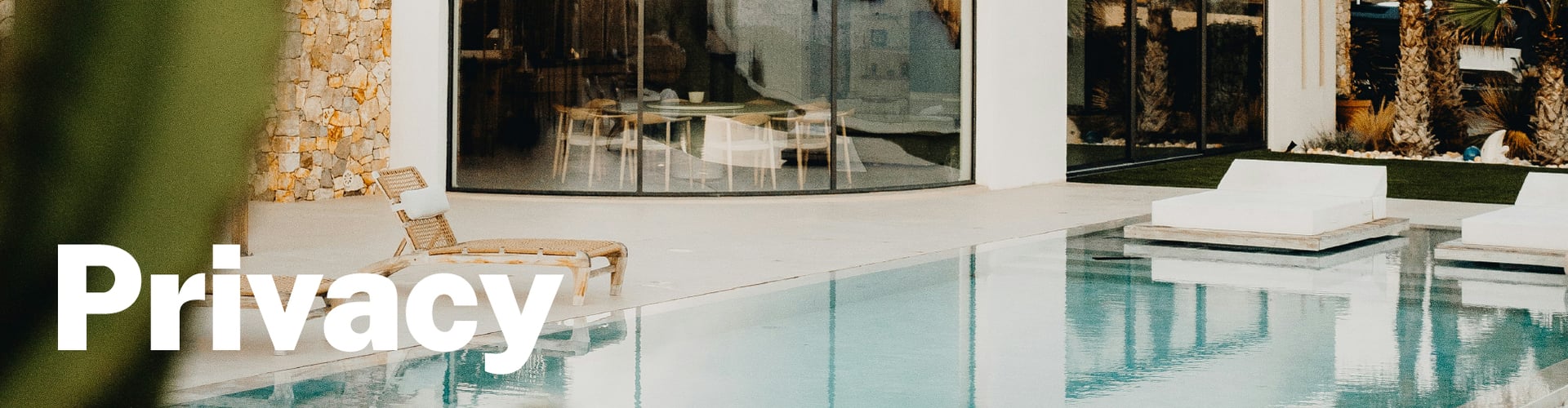
Privacy Has Become a Premium
Open-concept living transformed residential architecture over the past two decades, creating brighter, more connected spaces. But today's buyers are beginning to seek balance.
As more families spend significant time at home, privacy has become increasingly valuable. Buyers appreciate homes that allow family members to work, study, relax, or entertain without constantly sharing the same space.
Features attracting growing interest include:
- Dedicated home offices
- Private outdoor spaces
- Split-bedroom floor plans
- Quiet neighborhoods
- Flexible rooms with doors for separation
Privacy is no longer viewed as a luxury reserved for larger estates. It's becoming an essential ingredient of everyday comfort.
Ironically, the homes that feel the most spacious aren't always the largest. They're often the ones thoughtfully designed to provide both connection and retreat.
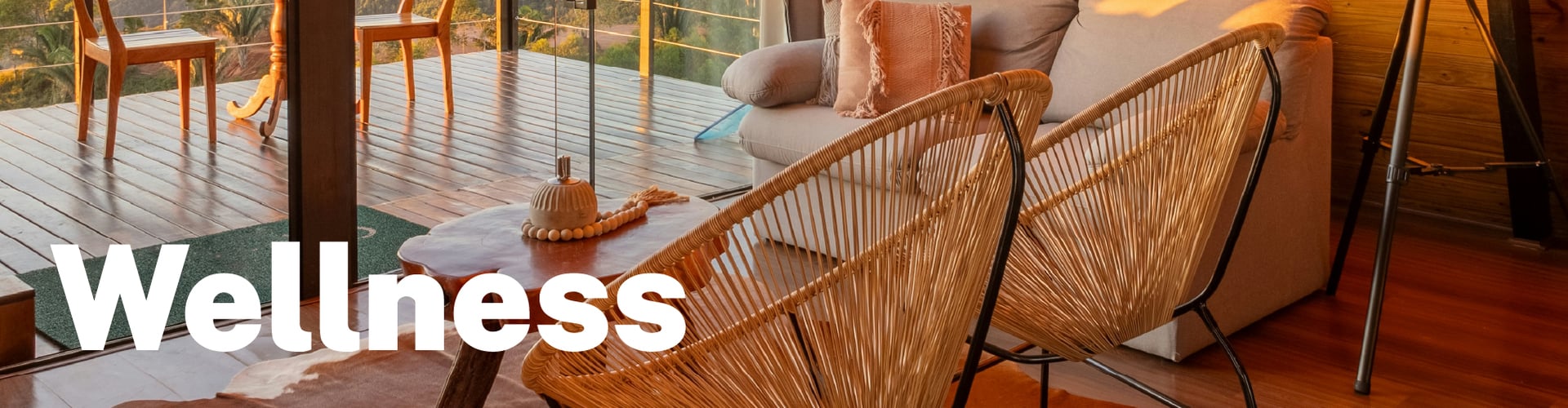
Wellness Starts at Home
The conversation around wellness has expanded far beyond gyms and healthy eating. Increasingly, buyers are looking for homes that contribute to their physical and mental well-being every single day.
Natural light, fresh air, outdoor living, walkable communities, and access to parks have become important considerations during the home search. Buyers are also paying closer attention to indoor air quality, energy efficiency, and spaces that encourage movement and relaxation.
JamesEdition describes this movement as part of a broader shift toward "nest investing," where homeowners place greater value on creating environments that enhance quality of life rather than simply showcase luxury. The publication projects spending on home-related improvements to continue outpacing many traditional luxury purchases, reflecting a growing belief that investing in where you live is an investment in how you live.
The result is a home that serves as more than a place to sleep. It becomes a place to recharge, reconnect, and thrive.
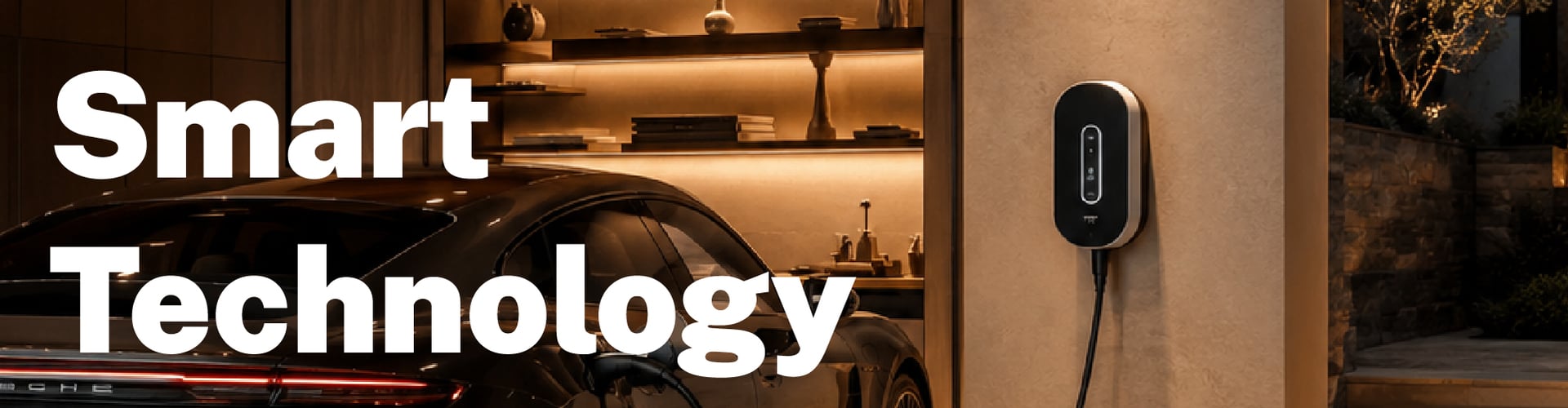
Smart Technology Is Becoming Expected
A decade ago, smart home technology was considered a luxury upgrade. Today, it's increasingly viewed as part of a modern home's standard functionality.
Buyers aren't necessarily searching for every available gadget. Instead, they're looking for technology that quietly improves everyday living.
Some of the most desirable features include:
- Smart thermostats
- Video doorbells and security systems
- Energy-efficient appliances
- EV charging capabilities
- Home automation
- Reliable high-speed internet
Technology has become less about novelty and more about convenience, efficiency, and peace of mind.
As electric vehicles become more common and connected devices become part of daily life, homes equipped for the future are becoming increasingly attractive to buyers.
The National Association of Home Builders also points to growing demand for energy-efficient features and EV-ready homes as buyers increasingly prioritize long-term savings alongside convenience.

Lifestyle Is Driving Location Decisions
Location has always been one of the most important factors in real estate. But what buyers mean by a "great location" continues to evolve.
Today, lifestyle plays a larger role than ever before.
Instead of focusing exclusively on commute times or school districts, buyers are asking broader questions:
- Can I walk to restaurants and coffee shops?
- Are there parks or trails nearby?
- Is there a strong sense of community?
- Will this neighborhood support the lifestyle I want five or ten years from now?
Walkability, recreation, convenience, and community have become meaningful differentiators, particularly among younger buyers and those relocating for lifestyle rather than necessity.
The result is growing demand for neighborhoods that offer experiences alongside beautiful homes.
Home Is Becoming More Intentional
Perhaps the biggest shift isn't any individual feature. It's the mindset behind today's home search.
Buyers are becoming more intentional about the role their home plays in their lives. They're looking for spaces that adapt, support wellness, embrace technology, provide privacy, and foster meaningful connections to their communities.
The homes generating the strongest interest today aren't always the largest or the most expensive. They're the ones that align with how people actually want to live.
For sellers, understanding these evolving priorities can help position a home more effectively in today's market. For buyers, it offers a reminder that the right home isn't defined by trends alone. It's defined by how well it supports your future.
The definition of a dream home will continue to evolve, but one thing remains constant: the most desirable homes are the ones that improve everyday life.
As homebuyer trends continue to shape the housing market in 2026 and beyond, the homes that stand out won't simply be beautiful. They'll be thoughtful, adaptable, and designed for the people who live in them.