






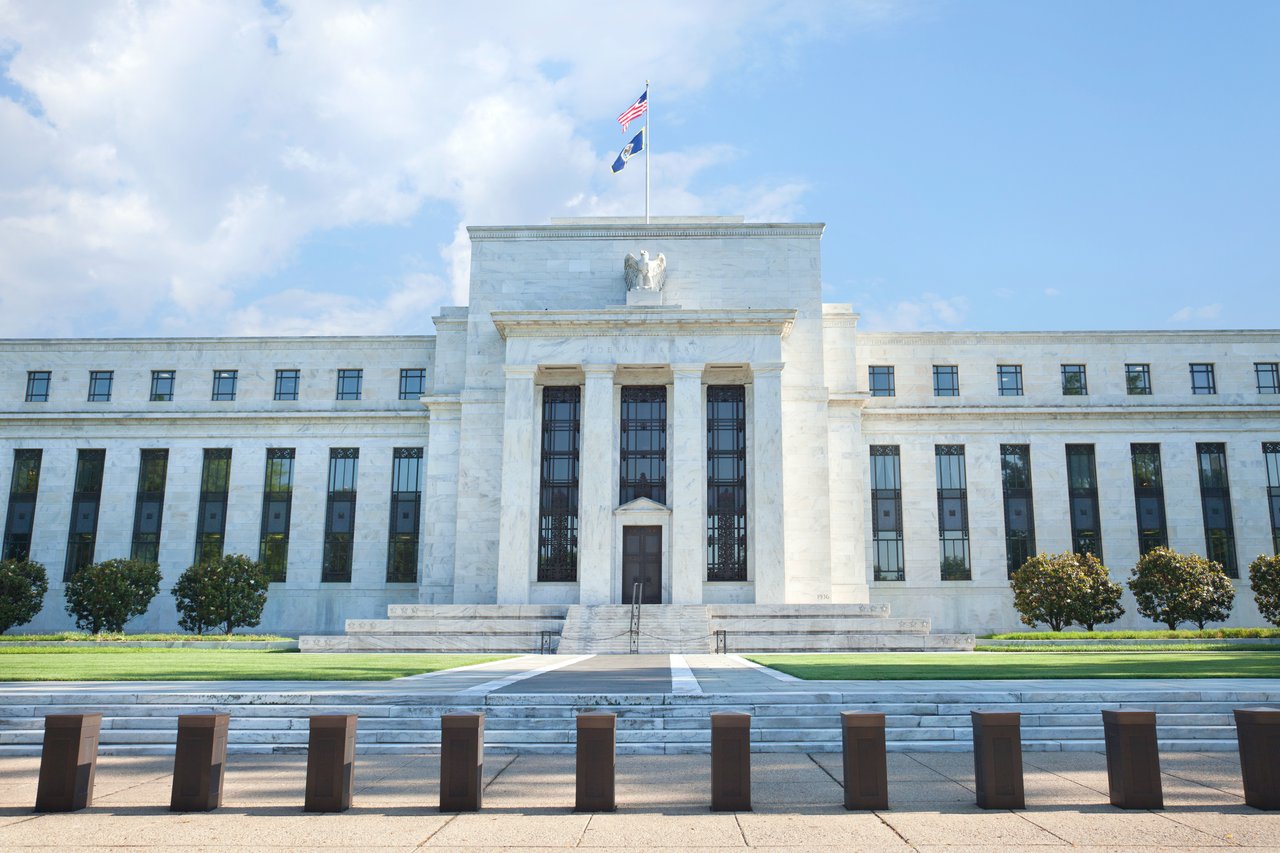
The Federal Reserve made its second rate cut of 2025, lowering the federal funds rate by 0.25% to a target range of 3.75% to 4.00%. The decision reflects what the Fed described as a shift in the balance of risks, noting that economic activity continues to expand at a moderate pace, while job gains have slowed and inflation remains somewhat elevated.
The Fed also announced that it will end the reduction of its securities holdings on December 1, a move designed to support liquidity and ease financial conditions. Together, these actions signal a shift toward stabilization after nearly two years of tightening.
For real estate professionals, this moment marks more than a policy adjustment—it represents a window of renewed opportunity as lending conditions begin to ease.
The Market Reaction: Early Signs of Momentum
Since the previous reduction in September, several positive indicators have emerged:
-
Mortgage rates have fallen to around 6.26%, the lowest level in over a year.
-
Purchase applications are up nearly 5% week over week, while refinancing jumped 7.1%, according to the Mortgage Bankers Association.
-
Overall mortgage demand is up more than 20% year over year, showing renewed confidence among both buyers and lenders.
-
Commercial borrowing costs have eased, allowing stalled projects to resume and refinancing activity to pick up.
These developments suggest that the Fed’s earlier move is already feeding through to the real economy, with momentum now reinforced by this second cut.
How It Affects the Housing Market
Residential
While the Fed’s actions don’t directly set mortgage rates, they strongly influence expectations and lender behavior. With inflation stabilizing and the Fed adopting a more balanced stance, banks have started pricing loans more competitively.
For homebuyers, this means a slightly more affordable path forward. Even small rate improvements can make a meaningful difference in monthly payments or qualification thresholds.
For sellers, it’s an opportunity to reengage with motivated buyers who had been sidelined by higher borrowing costs. Listings that are well-prepared and priced accurately are attracting stronger engagement as buyer sentiment improves.
However, inventory across many U.S. markets remains limited, which is keeping home prices firm rather than pushing them lower.
A Boost for Commercial Real Estate
The commercial sector is even more sensitive to short-term rates, and this second cut is providing immediate relief. Many loans in this category are floating-rate or approaching maturity, so even modest policy easing can reduce costs and restore project feasibility.
By concluding its balance-sheet reduction, the Fed is also increasing liquidity, giving developers and investors additional breathing room.
Expect to see:
-
More refinancing activity for projects that had been under pressure.
-
Developers restarting or re-evaluating delayed plans, especially adaptive reuse and office-to-residential conversions.
-
Institutional investors returning to explore improved yield opportunities.
What Real Estate Professionals Should Watch
For real estate professionals, this is a time to lead with information and foresight:
-
Revisit refinancing conversations with homeowners who locked into higher rates in 2023 and 2024.
-
Educate buyers that while the Fed sets the tone, mortgage rates follow long-term yields, which are already trending down.
-
Encourage sellers to take advantage of rising demand before inventory catches up.
-
Stay alert to inflation and job data, as the Fed has signaled that further cuts will depend on incoming information and risk assessments.
The Takeaway
The Fed’s second rate cut of 2025 signals a careful but important move toward restoring balance. By lowering rates and halting its securities runoff, the central bank is working to ease financial conditions without reigniting inflation.
For real estate professionals, this is a turning point. Borrowing costs are edging lower, confidence is rising, and both residential and commercial markets are regaining traction. Those who understand and act on these shifts will be best positioned to guide clients through the next phase of opportunity.