


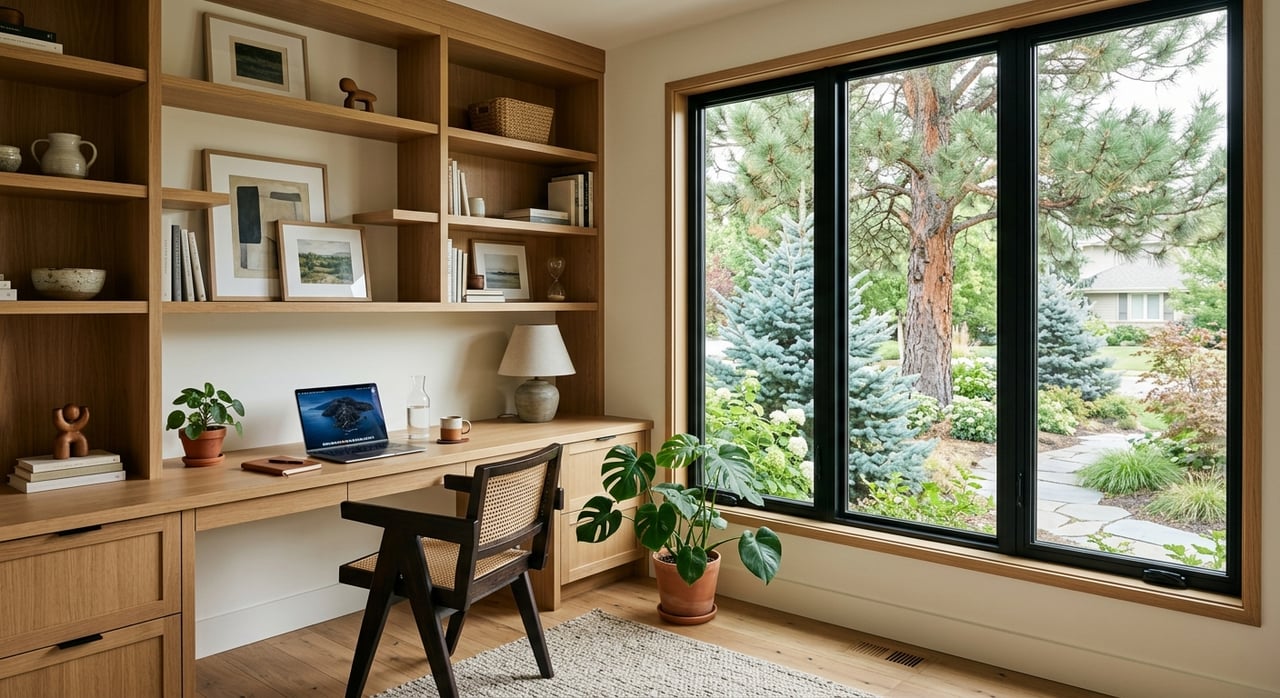
If you want more room to live and work without feeling cut off from Denver, Castle Rock deserves a close look. Many buyers today are trying to balance home office needs, outdoor access, and a commute that only happens a few days a week. The good news is that Castle Rock offers a mix of space, convenience, and daily lifestyle perks that can make that balance feel more realistic. Let’s dive in.
Why Castle Rock fits hybrid living
Castle Rock sits just south of Denver and has built an identity around small-town character, a traditional downtown core, and access to open space. For many remote workers and Denver commuters, that combination matters because you are not choosing between a city connection and a more relaxed home base. You can have a town setting that still keeps Denver in the picture.
The Town describes its neighborhoods as offering quick access to both open space and big-city employment opportunities. That makes Castle Rock especially appealing if you work from home most days but still need to get into Denver on occasion. Instead of planning your whole life around a daily commute, you can shape your routine around flexibility.
Castle Rock also emphasizes growing a strong local economy and enhancing self-sufficiency. In practical terms, that supports a live-work-play feel that many buyers want right now. If your home is where you work, exercise, and recharge, the surrounding community matters more than ever.
What more space looks like day to day
For many buyers, "more space" is not only about square footage. It is also about having more separation between work and home life, easier access to outdoor recreation, and neighborhoods that feel less compressed than central-city living. Castle Rock gives you more ways to build that kind of daily rhythm.
The Town has mapped more than 150 neighborhoods, with housing that ranges from homes that are more than 100 years old near the center to new construction in many styles and locations. That gives you options if you want historic character, a newer home, or a planned neighborhood with amenities tied into the broader community. You do not have to leave town to find a different type of setting.
This variety can be especially useful if your priorities have changed. Maybe you need a dedicated office, a guest room, or easier access to trails between meetings. Castle Rock offers neighborhood styles that can support different versions of that lifestyle.
Trails and parks shape the routine
One of Castle Rock’s biggest advantages is how much outdoor access is built into everyday life. The Town reports 136 miles of trails, 62 parks, and more than 6,900 acres of open space. That means outdoor recreation is not just an occasional weekend plan. It is part of how many people structure their mornings, lunch breaks, and evenings.
For remote workers, that can make a real difference. A nearby trail or park can turn a short break into something that helps you reset during the day. If you are commuting to Denver only part time, that extra outdoor access can also make home days feel more rewarding.
The Colorado Front Range Trail is a strong example of how connected Castle Rock is. The local segment includes 15 miles of paved, easy trail and runs through or connects to Woodlands, Escavera, Terrain, Cobblestone Ranch, Montaine, and Downtown. That broad reach means trail access is woven into neighborhood geography, not limited to one destination area.
Downtown Castle Rock adds more than convenience
Downtown Castle Rock offers a different experience than a typical suburban shopping area. The Town describes it as the community’s historic heart and a place for both enjoyment and employment. That matters if you want a home base with a real sense of place, not just a row of errands.
Historic buildings, the museum in the former train depot, Festival Park, and the hikeable Castle Rock landmark help give the downtown core a distinct identity. For buyers who work remotely, this kind of environment can add welcome variety to the week. It gives you places to step away from your desk, meet up locally, or simply enjoy a setting that feels established and connected to the town’s history.
Downtown also includes newer residential options such as Mercantile Commons, Riverwalk, and Encore. That shows the area is not only for offices, shops, or events. It also offers some live-work density for buyers who want to stay close to the center of activity.
Historic areas versus newer neighborhoods
One reason Castle Rock appeals to a wide range of buyers is that the town includes several distinct neighborhood styles. If you are comparing options, it helps to think in broad lifestyle categories rather than expecting every area to feel the same. Castle Rock has enough range to support different priorities.
Near the center, you will find older homes and blocks that connect more closely to the traditional downtown setting. These areas can appeal to buyers who value character, centrality, and an established street pattern. They create a different experience from newer suburban sections of town.
Elsewhere, Castle Rock includes many planned-development areas, including places identified by the Town such as Terrain and Crystal Valley Ranch. The Town’s development process uses planned development plans, which helps explain why many newer neighborhoods feel more master-planned in layout and design. These communities often align with the trail and open-space network that many buyers are looking for.
That range is a major part of Castle Rock’s appeal. You can explore historic downtown-oriented living, newer infill near the core, or larger planned communities without leaving the same town. For buyers trying to find the right mix of commute practicality and lifestyle fit, that flexibility is valuable.
How realistic is the Denver commute?
If you are remote most days and commuting only occasionally, Castle Rock can make more sense than it might for someone heading into Denver five days a week. Its location on the I-25 corridor keeps Denver within reach, and the Town continues to focus on transportation improvements. That said, it is important to go in with a clear picture of how mobility works here.
The Crystal Valley Interchange is one of the Town’s top transportation priorities. According to the Town, the project is intended to improve safety and mobility while creating a key regional link from I-25 to southern Castle Rock and Douglas County, with full completion targeted for 2027. That reflects long-term investment in regional access.
Castle Rock’s Transportation Master Plan also outlines roadway, bicycle, and pedestrian improvements through 2050. The larger message is that the Town is planning for continued growth and working to improve how people move within and through the area. For buyers who expect to drive regularly, that is an important part of the story.
What to know about transit and car dependence
Castle Rock is not set up like central Denver when it comes to transit. Voters opted out of the Regional Transportation District and related taxes in 2005, and fixed-route transit service ended in 2011, according to the Downtown Mobility Master Plan. As of January 2025, the Town said CDOT was studying a possible Bustang mobility hub in Castle Rock.
That means Castle Rock is more car-oriented than central Denver today. If you are considering a move, it is smart to think honestly about how often you need to be in Denver and how comfortable you are driving for those trips. For many hybrid workers, that tradeoff is workable because the commute is occasional rather than daily.
The Town also offers a Taxi Voucher Program for residents, but it is limited to trips that begin and end within Town limits and applies only to work, medical or dental, grocery, and pharmacy-related travel. It can support local mobility in certain situations, but it is not a substitute for regional commuter transit. For most buyers, personal vehicle access will remain a key part of daily life.
Why buyers keep Castle Rock on the list
Castle Rock stands out because it can support a lifestyle that feels more balanced. You get a town with a historic core, newer neighborhoods, extensive trails, and open space, all while staying connected to the Denver region. For many buyers, that combination feels like a practical middle ground.
If your work life is flexible, the town’s strengths become easier to appreciate. Home can be more than the place where you sleep between commutes. It can be the center of your routine, with space to work, room to recharge, and a community that offers more than one way to live.
If you are weighing Castle Rock against Denver or other south-metro options, focus on how you want your week to function. Think about how often you commute, how important trail access is, and whether you prefer a historic center, a newer planned neighborhood, or a mix of both. That is often where Castle Rock becomes especially compelling.
If you are exploring your next move and want a clear, strategic approach to neighborhoods, lifestyle fit, and resale potential, connect with FirstTeam® Real Estate. A thoughtful plan can help you choose a home that works for how you live now and where you want to go next.
FAQs
What makes Castle Rock appealing for remote workers?
- Castle Rock offers a mix of neighborhood variety, open space, trails, parks, and a downtown core that can support a more flexible live-work routine.
How does Castle Rock connect to Denver for commuters?
- Castle Rock sits on the I-25 corridor, which helps keep Denver accessible by car, especially for buyers who commute only part of the week.
What is daily outdoor access like in Castle Rock?
- The Town reports 136 miles of trails, 62 parks, and more than 6,900 acres of open space, making outdoor access a meaningful part of daily life.
Which parts of Castle Rock feel more historic or more new?
- Areas near downtown tend to reflect older homes and a more historic setting, while places such as Terrain and Crystal Valley Ranch reflect newer planned-development patterns.
Is Castle Rock a good fit if you rely on transit to reach Denver?
- Castle Rock is more car-oriented than central Denver, and current transit options are limited, so buyers who need frequent regional transit access should weigh that carefully.